

Use of Yellow Dextrin Starch in Label & Envelope Adhesives
Introduction
Adhesives play a critical role in packaging, communication, and logistics industries, especially in applications like labels and envelopes where reliability, speed, and cleanliness are essential. Among the various adhesive raw materials available today, dextrin-based formulations have remained a preferred choice for decades due to their performance, cost efficiency, and environmental compatibility.
Yellow dextrin starch, in particular, has become a key ingredient in water-based adhesive systems used for labels and envelopes. Its unique chemical structure, bonding strength, and fast-setting properties make it especially suitable for paper-to-paper adhesion. This article explores how yellow dextrin starch functions in these applications, why it remains relevant in modern manufacturing, and how it supports sustainable adhesive solutions.
Understanding Yellow Dextrin Starch
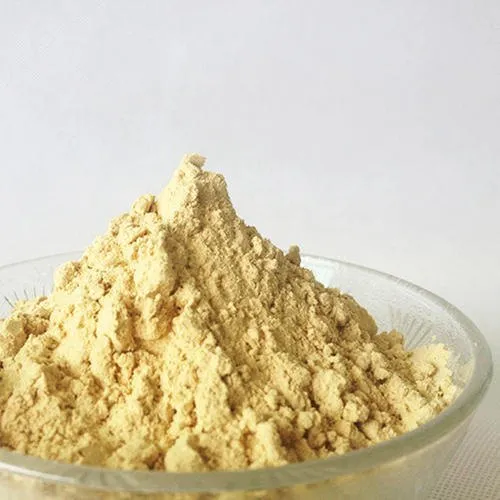
Yellow dextrin starch is produced through the controlled dry roasting of starch in the presence of small amounts of acid. This process partially breaks down starch molecules, altering their solubility, viscosity, and adhesive properties.
The result is a modified starch with:
- Faster solubility in water
- Improved tack and adhesion
- Better film-forming capability
These characteristics make yellow dextrin an ideal base material for paper adhesives.
Why Starch-Based Adhesives Remain Industry Favorites
Despite the availability of synthetic adhesives, starch-based solutions continue to dominate label and envelope applications.
Key reasons include:
- Natural origin and biodegradability
- Compatibility with paper substrates
- Easy cleanup and handling
- Cost-effective formulation
Yellow dextrin starch enhances these advantages through improved bonding efficiency.
Role of Yellow Dextrin in Paper-to-Paper Bonding
Label and envelope adhesives require precise bonding—strong enough to stay intact, yet flexible enough to avoid tearing paper fibers.
Yellow dextrin starch provides:
- Strong initial tack
- Uniform adhesion across surfaces
- Minimal paper warping
Its molecular structure allows it to penetrate paper fibers effectively, creating durable bonds without damaging the substrate.
Fast Setting Properties for High-Speed Production
In envelope and label manufacturing, speed is critical. Adhesives must set quickly to keep up with automated production lines.
Yellow dextrin starch offers:
- Rapid setting time
- Immediate handling strength
- Reduced drying delays
This allows manufacturers to increase productivity without sacrificing adhesive quality.
Water-Based Formulation Advantages
Yellow dextrin starch is typically used in water-based adhesive systems, making it safer and more environmentally friendly than solvent-based alternatives.
Benefits include:
- Low VOC emissions
- Non-toxic handling
- Easy equipment cleaning
These factors contribute to safer workplaces and sustainable manufacturing practices.
Consistent Viscosity for Uniform Application
Consistency in adhesive viscosity is crucial for smooth application during labeling or envelope sealing.
Yellow dextrin starch provides:
- Stable viscosity profiles
- Easy viscosity adjustment
- Smooth flow during application
This ensures even coating and reduces wastage during production.
Compatibility with Automated Machinery
Modern label and envelope manufacturing relies heavily on automated machines. Adhesives must perform reliably under mechanical stress.
Yellow dextrin starch is well-suited because it:
- Maintains stability under heat and pressure
- Prevents nozzle clogging
- Performs consistently at high speeds
This reliability minimizes downtime and maintenance costs.
- Maintains stability under heat and pressure
Rewettable Adhesive Applications
One of the most common uses of yellow dextrin starch is in rewettable adhesives for envelopes and postage labels.
Its advantages include:
- Strong adhesion upon reactivation
- Long shelf life
- Smooth rewetting without residue
This makes it ideal for traditional envelope sealing systems.
Improved Shelf Stability of Adhesive Formulations
Shelf stability is a major concern for adhesive manufacturers and end users.
Yellow dextrin starch helps achieve:
- Reduced microbial growth (with proper formulation)
- Stable adhesive properties over time
- Minimal phase separation
This ensures consistent performance throughout storage and use.
Contribution to Sustainable Packaging Systems
Sustainability is increasingly important in packaging and paper products.
Yellow dextrin starch supports eco-friendly goals by being:
- Derived from renewable resources
- Biodegradable
- Compatible with recycling processes
Its use helps reduce dependence on petroleum-based adhesive chemicals.
Cost Efficiency for Large-Scale Manufacturing
Cost-effectiveness remains a key driver in adhesive selection.
Yellow dextrin starch provides:
- Lower raw material costs
- Reduced energy usage in processing
- Efficient performance at lower dosages
These factors make it economically attractive for high-volume applications.
Customization Flexibility in Adhesive Formulations
Different labels and envelopes require different adhesive characteristics.
Yellow dextrin starch allows formulators to adjust:
- Tack level
- Setting speed
- Viscosity
This flexibility makes it suitable for a wide range of paper-based products.
Importance of Quality Sourcing in Adhesive Performance
The effectiveness of yellow dextrin starch depends heavily on production quality, roasting control, and consistency.
Reliable sourcing ensures:
- Uniform adhesive strength
- Predictable viscosity behavior
- Reduced batch-to-batch variation
This highlights the importance of working with experienced suppliers.
Role of Yellow Dextrin Starch Manufacturers in Adhesive Innovation
Professional yellow dextrin starch manufacturers contribute significantly to adhesive innovation by developing grades tailored for labels and envelopes.
Their expertise supports:
- Improved bonding efficiency
- Enhanced process compatibility
- Sustainable adhesive solutions
Such manufacturers play a key role in advancing paper adhesive technology.
How SPAC Supports Label & Envelope Adhesive Applications
- Reliable adhesion performance
- Application-specific starch grades
- Sustainable and efficient production
Choosing the Right Yellow Dextrin Starch Manufacturers for Your Needs
Selecting experienced yellow dextrin starch manufacturers ensures long-term adhesive performance and operational efficiency.
Key factors to consider include:
- Product consistency
- Technical support
- Application knowledge
SPAC stands out by combining technical expertise with reliable supply and quality assurance.