

Modern Practices Across Multiple Dextrin Starch Sectors
Introduction
The dextrin starch industry has seen remarkable growth over the past few decades, driven by innovations in production, quality enhancement, and diverse applications across industrial and consumer sectors. Dextrin, a polysaccharide derived from starch, has become an essential component in adhesives, food products, pharmaceuticals, textiles, and packaging materials. As industries continue to evolve, understanding modern practices in dextrin starch manufacturing is critical for businesses seeking high-quality, consistent, and cost-effective solutions.
Advancements in Dextrin Starch Production
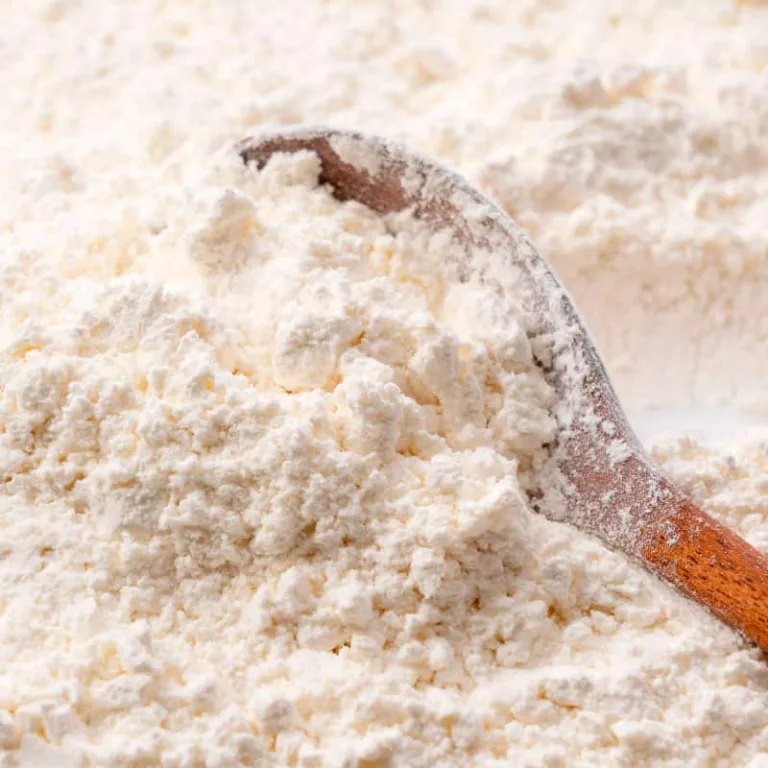
Traditionally, dextrin starch was produced through acid hydrolysis or heat treatment of native starches. However, modern practices have introduced enzymatic methods and precision-controlled processing to improve yield, purity, and functional properties. Manufacturers now employ advanced technologies such as continuous processing, automated monitoring, and energy-efficient systems to ensure product consistency and minimize environmental impact.
Continuous processing allows for precise control over temperature, pH, and reaction times, resulting in dextrin starch with tailored viscosity, solubility, and adhesive properties. Additionally, automation in quality monitoring ensures uniform particle size, moisture content, and color consistency, which is particularly important for industrial applications where performance specifications are strict.
Role of Sustainability in Dextrin Starch Manufacturing
Environmental sustainability has become a central focus in modern dextrin starch production. Companies are shifting toward eco-friendly processes that reduce water usage, lower carbon emissions, and optimize raw material utilization. By sourcing starch from renewable crops like corn, cassava, and potato, manufacturers contribute to sustainable agriculture and circular economies.
Waste reduction strategies, such as recycling process water and using by-products for bioenergy, are increasingly adopted. This not only lowers the ecological footprint but also enhances cost efficiency. The emphasis on sustainable practices aligns with global standards and consumer expectations, particularly in food, pharmaceutical, and packaging industries where eco-conscious products are in demand.
Technological Innovations Driving Product Quality
Technological innovation is critical in enhancing the functional properties of dextrin starch. Modern dextrin starch manufacturers use advanced analytical tools to measure molecular weight, degree of polymerization, and purity. This data-driven approach enables the development of products with improved solubility, adhesive strength, and stability under varying environmental conditions.
High-precision drying methods, such as spray drying and fluidized bed drying, have significantly improved product uniformity and shelf life. These techniques allow dextrin starch to maintain its functionality over longer storage periods, reducing waste and ensuring reliability in downstream applications. Furthermore, innovations in packaging, such as moisture-resistant bags and controlled-atmosphere storage, protect product quality from production to end-use.
Leading Yellow Dextrin Starch Exporters for Industrial Applications
In the global market, certain manufacturers have established themselves as leading suppliers of yellow dextrin starch, especially for industrial applications. These companies provide consistent quality, customized formulations, and reliable supply chains to meet the demands of adhesives, textile sizing, and paper coating industries.
Yellow dextrin is particularly valued for its excellent adhesive properties, solubility, and compatibility with various industrial formulations. By partnering with reputable suppliers, manufacturers can ensure high performance in applications such as corrugated board adhesives, carton sealing, and packaging tapes. SPAC, as a prominent player in this sector, has become a trusted name for businesses seeking reliable and high-grade yellow dextrin starch for industrial purposes.
Tailored Solutions by Leading Dextrin Starch Brands
One of the key trends in the dextrin starch sector is the customization of products to meet specific industrial requirements. Leading manufacturers, including SPAC, offer dextrin starch variants tailored for different adhesive strengths, solubility rates, and temperature tolerances.
Customized formulations enable industries to optimize performance in diverse applications from food packaging that requires non-toxic, edible adhesives to heavy-duty industrial adhesives capable of withstanding extreme conditions. This trend reflects a broader shift toward client-oriented solutions and value-added services, allowing manufacturers to differentiate themselves in a competitive market.
Future Trends and Innovations
The future of dextrin starch manufacturing is closely linked to technological advancement, sustainability, and market-specific innovations. Key areas of focus include:
- Bio-based and Green Chemistry Approaches: Utilizing enzymes and renewable feedstocks to reduce chemical usage and environmental impact.
- Enhanced Functional Properties: Development of dextrin starch with tailored solubility, viscosity, and adhesive strength for emerging industrial needs.
- Automation and Smart Manufacturing: Implementation of IoT and AI-based monitoring for real-time process optimization and quality control.
- Sustainable Packaging Solutions: Integration of eco-friendly dextrin starch adhesives in recyclable and biodegradable packaging materials.
These trends underscore the dynamic nature of the sector and the importance of staying at the forefront of technological and environmental advancements.
Conclusion
Modern practices across multiple dextrin starch sectors emphasize precision, sustainability, and customization. From advanced production technologies and analytical monitoring to eco-friendly practices and tailored formulations, the industry continues to evolve in response to global demand.
For businesses seeking reliable solutions, partnering with trusted brands like SPAC ensures access to:
- Leading yellow dextrin starch exporters for industrial applications
- Quality dextrin starch manufacturers for packaging adhesive
- Tailored dextrin starch products designed to meet specific industry requirements
As industries increasingly rely on dextrin starch for adhesive performance, packaging efficiency, and sustainable solutions, modern practices and innovative partnerships will remain critical to achieving operational excellence and competitive advantage.