

Maize Starch vs Other Starches: Which One Is Right for Your Recipe?
Introduction
When it comes to cooking and food production, starch plays a crucial role in determining texture, consistency, and overall quality. Whether you’re thickening a sauce, baking a dessert, or preparing processed foods, the type of starch you choose can significantly impact the final result. Among the many options available, maize starch (commonly known as corn starch) is one of the most widely used but how does it compare to other starches?
Understanding the differences between maize starch and alternatives like potato starch, tapioca starch, and rice starch can help you make better decisions in your kitchen or food business.
What is Maize Starch?
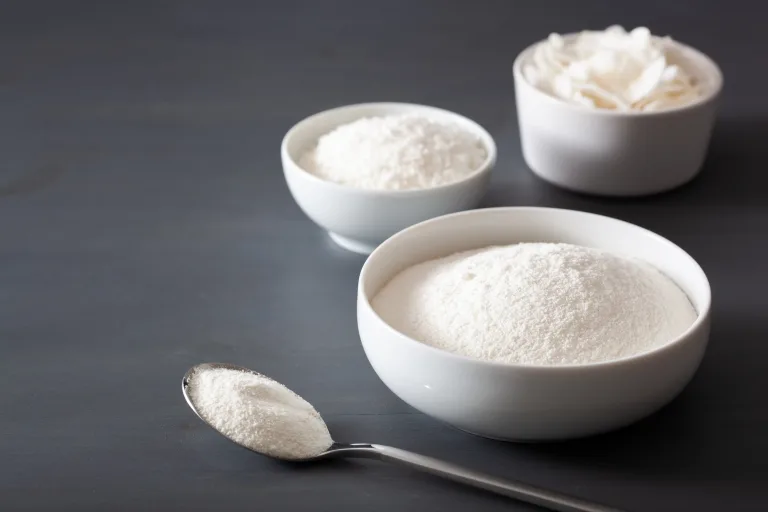
Maize starch is a fine, white powder extracted from corn kernels. It is commonly used as a thickening agent due to its ability to absorb water and form a smooth, glossy texture when heated.
One of the key advantages of maize starch is its neutral flavor, which allows it to blend seamlessly into both sweet and savory dishes. It is widely used in soups, gravies, desserts, and even in large-scale food processing.
Understanding Other Common Starches
Before choosing the right starch, it’s important to understand how other options behave:
Potato Starch
Derived from potatoes, this starch has larger granules and provides a slightly heavier texture. It works well in recipes that require a soft and moist consistency, such as baked goods.
Tapioca Starch
Extracted from cassava roots, tapioca starch creates a glossy and slightly chewy texture. It is often used in puddings, bubble tea, and gluten-free baking.
Rice Starch
Rice starch is lighter and more delicate. It is commonly used in recipes that require a soft and smooth finish, such as certain Asian dishes and desserts.
Each starch has unique properties, making them suitable for specific culinary applications.
Texture and Consistency Comparison
Texture is one of the most important factors when selecting a starch.
- Maize starch produces a smooth and glossy finish, ideal for sauces and gravies.
- Potato starch creates a thicker and more opaque texture.
- Tapioca starch gives a slightly sticky and elastic consistency.
- Rice starch offers a lighter and softer texture.
If your recipe requires a silky and refined finish, maize starch is often the preferred choice.
Heat Stability and Cooking Performance
Different starches react differently to heat.
Maize starch performs well under moderate heat but can break down if overcooked. Tapioca starch, on the other hand, holds up better under prolonged cooking and freezing conditions. Potato starch thickens quickly but may lose stability when reheated.
Choosing the right starch depends on how your dish will be prepared and served. For example, if you need a stable thickener for reheating, tapioca might be more suitable, while maize starch works best for freshly prepared dishes.
Best Uses for Each Starch
Understanding where each starch shines can simplify your decision-making process:
- Maize starch: Ideal for soups, sauces, gravies, and desserts
- Potato starch: Best for baking and creating moist textures
- Tapioca starch: Perfect for chewy textures and glossy finishes
- Rice starch: Suitable for light and delicate dishes
Selecting the right starch ensures that your recipe delivers the desired taste and texture.
Why Quality Matters in Maize Starch Selection
Not all starches are created equal. The quality of maize starch directly affects the texture, consistency, and reliability of your recipe.
Using products from premium quality corn starch manufacturers and suppliers ensures:
- Consistent thickening performance
- Better texture and finish
- Reduced chances of lumping or uneven mixing
- Higher safety and hygiene standards
For both home cooks and food industries, investing in high-quality maize starch can make a noticeable difference in the final outcome.
Choosing the Right Supplier for Better Results
When selecting starch for commercial or large-scale use, the supplier plays a critical role. Reliable sourcing ensures that the product meets industry standards and performs consistently across batches.
Working with premium quality corn starch manufacturers and suppliers helps businesses maintain product quality, improve efficiency, and meet customer expectations. Consistency in raw materials is essential for delivering the same taste and texture every time.
Brands like SPAC are known for maintaining high standards in starch production, ensuring that food manufacturers and culinary professionals receive dependable and high-performing ingredients.
How SPAC Supports Your Food Applications
Conclusion
Selecting the right starch is more than just a simple ingredient choice; it’s a key factor that defines the success of your recipe. While potato, tapioca, and rice starches each have their strengths, maize starch stands out for its versatility, smooth texture, and wide range of applications.
Understanding the differences between these starches allows you to choose the best option based on your specific needs. More importantly, using products from premium quality maize starch manufacturers and suppliers ensures consistent results, better performance, and improved overall quality.
With trusted names like SPAC, you can confidently choose maize starch that delivers both reliability and excellence helping you create recipes that stand out every time.