

Quality Parameters Followed by Thin Boiling Starch Manufacturers??
Introduction
Thin boiling starch plays a critical role in industries where controlled viscosity, high binding strength, and smooth application are essential. Unlike native starches, thin boiling starch undergoes a modification process that allows it to maintain excellent binding properties while offering low viscosity at higher solids. Because of its wide usage in paper, textiles, adhesives, food processing, and foundry applications, maintaining strict quality parameters is vital.
Manufacturers must follow carefully defined standards to ensure consistency, performance reliability, and safety across every batch. This article explores the essential quality parameters that define high-grade thin boiling starch and why they matter across industrial applications.
Understanding Thin Boiling Starch and Its Industrial Importance
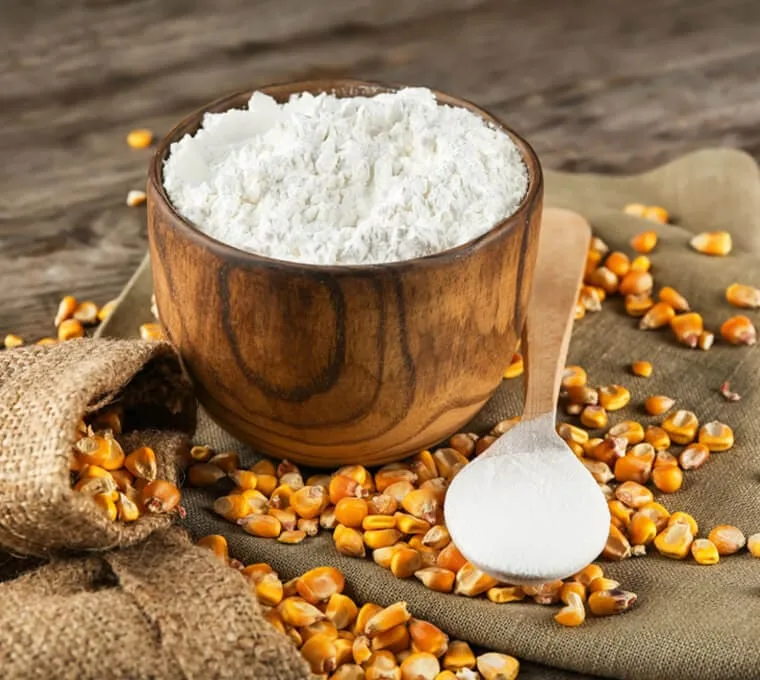
Thin boiling starch is chemically or enzymatically modified to reduce viscosity while retaining strong film-forming and binding properties. This balance makes it indispensable where smooth flow and strong adhesion are required simultaneously.
Industries depend on it for:
- Surface sizing in paper
- Warp sizing in textiles
- Adhesive formulations
- Coating and binding applications
Due to these critical roles, quality control is not optional—it is foundational.
Raw Material Selection as the First Quality Benchmark
Quality begins with the selection of raw materials. High-grade starch sources are chosen for purity, consistency, and starch content.
Key raw material parameters include:
- Uniform granule size
- Low protein and fiber content
- Absence of foreign matter
- Consistent starch yield
Inferior raw materials lead to performance variation, making strict screening essential.
Controlled Hydrolysis for Consistent Performance
The defining process of thin boiling starch is controlled hydrolysis. This step determines final viscosity, solubility, and strength.
Quality control during hydrolysis ensures:
- Uniform molecular breakdown
- Predictable viscosity reduction
- Retention of binding strength
- Avoidance of over-degradation
Precision in this stage ensures repeatable industrial performance.
Viscosity Control and Measurement Standards
Viscosity is one of the most critical quality parameters. Thin boiling starch must achieve low viscosity at higher solids without compromising strength.
Manufacturers closely monitor:
- Initial viscosity
- Hot paste viscosity
- Final gel viscosity
- Viscosity stability over time
Accurate viscosity control ensures smooth processing and consistent application results.
Gel Strength and Binding Efficiency
Even with reduced viscosity, thin boiling starch must deliver strong binding and film-forming properties.
Quality assessment includes:
- Gel strength measurement
- Adhesion consistency
- Film uniformity
- Resistance to cracking
Strong gel performance ensures durability in paper coatings, textile sizing, and adhesives.
Moisture Content Regulation
Moisture content directly affects shelf life, flow behavior, and storage stability.
Quality benchmarks require:
- Controlled moisture percentage
- Prevention of microbial growth
- Stable storage behavior
- Free-flowing powder form
Excess moisture can lead to lump formation and reduced usability.
pH Stability and Chemical Balance
Thin boiling starch must maintain a stable pH range suitable for downstream processes.
Key considerations include:
- Compatibility with additives
- Stability during heating
- Minimal reaction with processing chemicals
- Safe handling characteristics
Proper pH balance prevents equipment corrosion and formulation issues.
- Compatibility with additives
Particle Size and Uniformity
Uniform particle size improves solubility and dispersion.
Manufacturers monitor:
- Granule consistency
- Absence of oversized particles
- Smooth dispersion in water
- Reduced processing residue
Uniformity ensures faster dissolution and smoother application.
Thermal Stability and Cooking Behavior
Thin boiling starch must perform reliably under heat during industrial processing.
Quality parameters include:
- Heat resistance
- Stability during cooking cycles
- Minimal breakdown under prolonged heat
- Consistent performance across temperature ranges
Thermal stability is critical for industries with high-temperature processing stages.
Microbiological Safety Standards
Microbial contamination can compromise product safety and shelf life.
Manufacturers enforce:
- Low microbial counts
- Hygienic processing environments
- Controlled storage conditions
- Regular microbiological testing
These measures ensure product safety, especially for food and packaging applications.
Consistency Across Production Batches
Batch-to-batch consistency is essential for industrial customers who rely on predictable performance.
Consistency checks focus on:
- Identical viscosity profiles
- Uniform gel strength
- Stable moisture levels
- Reproducible functional behavior
Consistency builds long-term trust with industrial buyers.
Packaging and Storage Quality Measures
Even a high-quality product can degrade without proper packaging.
Quality packaging ensures:
- Moisture protection
- Contamination prevention
- Easy handling and storage
- Extended shelf life
Packaging standards are an extension of manufacturing quality.
Regulatory Compliance and Documentation
Manufacturers must adhere to industry and export regulations.
Compliance includes:
- Quality certificates
- Batch traceability
- Safety documentation
- Testing records
Proper documentation enhances transparency and market acceptance.
Why Thin Boiling Starch Manufacturers Focus on Strict Quality Parameters
Reputed thin boiling starch manufacturers follow rigorous quality systems to meet diverse industrial requirements. Precision at every stage ensures that the starch performs consistently across different applications.
Strict quality focus helps:
- Reduce process failures
- Improve end-product quality
- Support large-scale industrial use
- Build long-term customer relationships
Quality is the foundation of industrial reliability.
How Thin Boiling Starch Manufacturers Ensure Industry-Specific Performance
Leading thin boiling starch manufacturers customize quality parameters based on application needs.
They achieve this through:
- Application-specific viscosity tuning
- Customized gel strength profiles
- Controlled modification techniques
- Continuous quality monitoring
This flexibility supports industries with varied performance demands.
SPAC and Its Commitment to Quality Excellence
- Controlled hydrolysis processes
- Batch consistency
- Hygienic manufacturing practices
- Customer-focused quality standards