

Quality Parameters Followed by Yellow Dextrin Starch Manufacturers
Introduction
Yellow dextrin is a highly versatile modified starch widely used across adhesives, textile printing, foundry applications, fireworks, paper tube winding, and various industrial processes that require strong binding and solubility. As industries increasingly depend on dextrin-based formulations for efficiency, the need for consistent quality and performance has become more crucial than ever. This is why manufacturers of yellow dextrin follow strict quality control parameters to ensure that the product meets global standards and performs reliably across applications.
This comprehensive guide explains the major quality parameters, testing methods, performance indicators, and production best practices followed in the yellow dextrin manufacturing industry. Whether you’re an industrial buyer, product formulator, or someone exploring the application potential of dextrin, this article provides a deep understanding of how quality is maintained throughout the process.
Understanding Yellow Dextrin and Its Industrial Importance
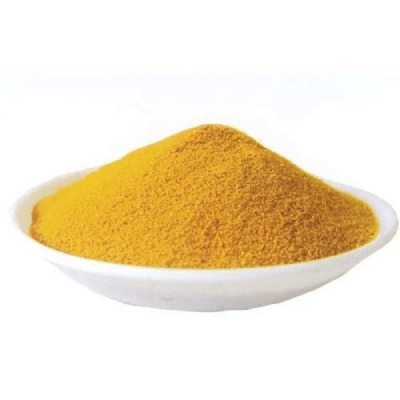
Yellow dextrin is produced by roasting starch under controlled conditions in the presence of acids. This conversion process changes the starch structure, improving its solubility, reducing viscosity, and enhancing its adhesive and binding properties.
Industries prefer yellow dextrin for its:
- High adhesive strength
- Excellent solubility in water
- Fast drying nature
- Ease of blending with other additives
- Non-toxic and biodegradable profile
Because dextrin is used in products like corrugated boxes, paper cones, tapes, fireworks, and textile printing thickeners, quality consistency is essential. Even minor variations can affect glue tack, setting time, binding strength, or print outcomes.
Key Quality Parameters Monitored During Yellow Dextrin Production
Manufacturers follow a comprehensive set of quality parameters to ensure that the dextrin meets the expectations of various industries.
1. Colour and Appearance
The color of yellow dextrin ranges from light yellow to dark yellow depending on the roasting conditions. Manufacturers monitor:
- Uniformity of color
- Absence of burnt particles
- Smooth and powdery texture
- Free-flowing nature
Color directly indicates whether the roasting reaction occurred optimally. Too dark a color may suggest over-roasting; too light may indicate incomplete conversion.
2. Solubility in Water
One of the biggest performance indicators of yellow dextrin is its solubility. High-quality yellow dextrin should:
- Dissolve quickly
- Leave minimal residue
- Create a uniform solution
- Show stable flow characteristics
Solubility tests determine suitability for adhesives, fireworks binding, and textile printing pastes.
3. pH Level
The pH of yellow dextrin needs to fall within a specific range depending on its intended application. A controlled pH ensures:
- Long shelf life
- Stable performance
- Compatibility with other ingredients
Manufacturers frequently test pH during and after the roasting process to maintain consistency.
4. Moisture Content
Moisture directly influences dextrin’s flowability, storage stability, and performance. Quality-focused manufacturers maintain moisture at an optimal level—typically low enough to avoid clumping and ensure long-term usability.
High moisture can lead to:
- Microbial growth
- Reduced adhesive strength
- Shorter shelf life
Low moisture improves handling and storage stability.
5. Viscosity
Viscosity is a crucial performance property for adhesives and coatings. The viscosity of yellow dextrin is tested using standard laboratory viscometers.
Manufacturers ensure that:
- Viscosity remains within defined limits
- Batch-to-batch variations are minimal
- Flow properties are consistent for application
Different industries require specific viscosity grades; hence tight control is essential.
6. Ash Content
Ash content measures the inorganic residue remaining after complete combustion. It affects the purity and performance of dextrin.
Manufacturers ensure:
- Ash content is within acceptable limits
- No added impurities or foreign particles
- Optimal performance for sensitive applications
Lower ash levels are preferred for food-grade or specialty industrial applications.
7. Particle Size and Granularity
The fineness of dextrin determines its:
- Ease of mixing
- Solubility rate
- Adhesive formulation stability
Quality control ensures uniform particle size distribution using sieving and laser size analysis techniques.
8. Cold Water Solubility
Some applications, especially in adhesives and textile printing pastes, require dextrin to dissolve easily in cold water.
Quality parameters focus on:
- Solubility percentage
- Settling time
- Clarity of solution
Superior cold-water solubility improves ease of use in industrial formulations.
9. Dextrose Equivalent (DE Value)
DE value represents the degree of starch hydrolysis during roasting. It influences:
- Adhesive tack
- Drying time
- Binding strength
- Viscosity
Manufacturers perform DE value tests to ensure the correct functional properties as per the industrial requirement.
10. Shelf Life Stability
A reliable yellow dextrin should have a good storage life without losing quality. Stability tests include:
- Accelerated aging tests
- Moisture absorption studies
- Performance consistency analysis
Maintaining stability ensures smooth user experience in large-scale industrial processes.
Production Best Practices Followed by Manufacturers
To maintain high product quality, yellow dextrin manufacturers adopt several industry-standard best practices.
1. Controlled Roasting Process
Precision in roasting ensures proper conversion from starch to dextrin. Key factors monitored include:
- Roasting temperature
- Roasting duration
- Acid catalyst concentration
- Airflow conditions
Even minor deviations can affect solubility, color, viscosity, and adhesion properties.
2. Use of High-Quality Raw Materials
The quality of the base starch (usually tapioca, potato, or maize starch) directly influences the final dextrin quality.
Manufacturers ensure:
- High purity starch
- Low ash content
- Correct granule size
- Consistent moisture levels
Premium quality input results in premium quality dextrin.
3. Continuous In-Process Testing
Throughout production, manufacturers conduct regular checks to ensure consistency. These include:
- pH monitoring
- Color comparison
- Viscosity checks
- Moisture tests
Real-time quality correction makes the final product more uniform.
4. Hygienic and Safe Manufacturing Environment
Industrial buyers expect high standards of hygiene and safety, especially if dextrin is used in food packaging adhesives or pharmaceutical supply chains.
Manufacturers follow:
- GMP standards
- Controlled storage conditions
- Dust-free environment
- Automated handling
Hygienic conditions also improve product stability.
5. Modern Packaging Standards
Quality packaging ensures that dextrin remains stable during transport and storage. Manufacturers use:
- Multi-ply kraft paper bags
- HDPE-lined bags
- Moisture-proof packaging
- UV-resistant materials
Proper sealing prevents contamination and moisture absorption.
Why Quality Parameters Matter for Industrial Buyers
Yellow dextrin is a performance-critical ingredient. Poor-quality dextrin can lead to:
- Reduced adhesion strength in paper and cardboard
- Poor color development in textile printing
- Weak bonding in fireworks
- Inconsistent viscosity in industrial pastes
This is why buyers must choose manufacturers who follow strict quality guidelines and provide consistent, tested, and high-performance dextrin.
Choosing the Right Yellow Dextrin Supplier
When selecting a supplier, businesses should consider:
- Technical expertise
- Manufacturing capacity
- Quality certifications
- Customization capabilities
- Packaging and delivery reliability
A supplier who follows transparent quality parameters and provides detailed test reports ensures long-term trust.
High-Quality Commitment of Yellow Dextrin Starch Manufacturers
Reputed yellow dextrin starch manufacturers always prioritize strict quality monitoring, advanced processing methods, and consistent batch performance. These companies understand that industrial applications like adhesives, paper conversion, textile printing, and fireworks production require dependable functionality. By maintaining uniformly high quality standards, yellow dextrin starch remains a reliable choice for large and small-scale industries.
How SPAC Ensures Superior Quality as Leading Yellow Dextrin Starch Manufacturers
- SPAC stands out among yellow dextrin starch manufacturers thanks to its state-of-the-art facilities, advanced quality control systems, and commitment to continuous innovation. Every batch undergoes rigorous testing for solubility, viscosity, pH, particle size, and stability to ensure perfect performance across industrial applications. SPAC’s transparent manufacturing and quality processes make it a dependable partner for companies seeking premium dextrin solutions.