

Why Is Your Paper Coating Cracking or Delaminating? Diagnosing Starch-Related Causes
Coated paper that cracks, flakes, or delaminates after drying is a common headache for paper mills, and it’s frustrating precisely because it often passes on some rolls and fails on others. In most mills, the coating layer relies on a starch binder to hold pigment particles together and bond them to the base sheet. When that binder isn’t the right fit for your process, cracking and delamination are usually the result.
This guide looks at why coating failures like this happen, and how choosing the right starch grade oxidized, cationic, or carboxymethyl starch (CMS) can resolve them.
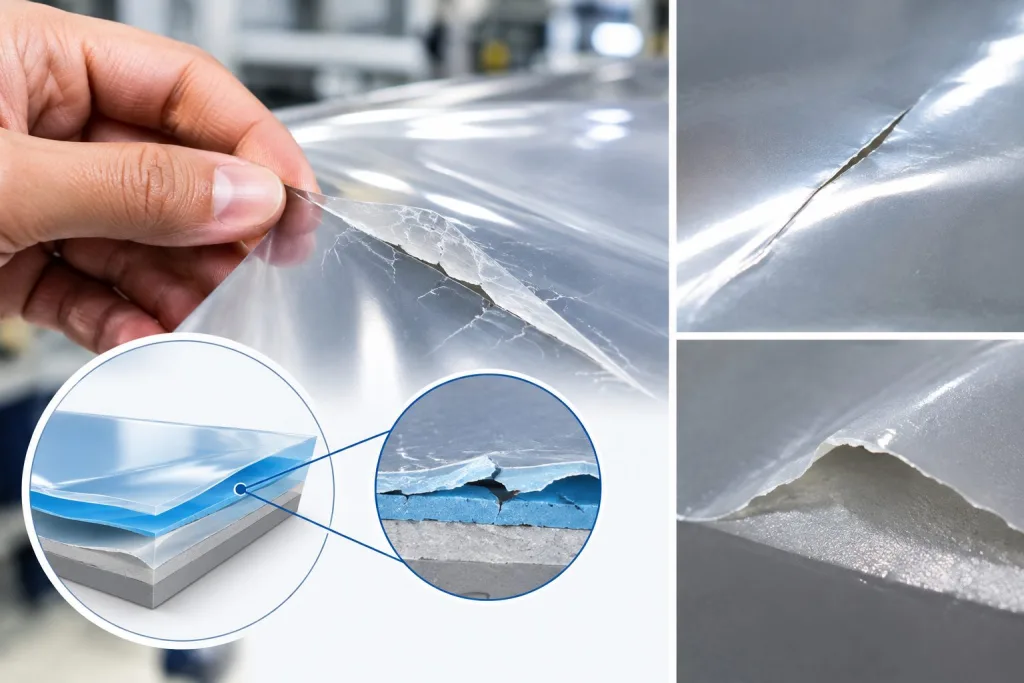
What's Actually Happening When Coating Cracks or Delaminates
A paper coating is built from pigment particles held together by a binder film. For that film to hold up through drying and calendering, it needs to be strong, flexible, and evenly distributed through the pigment layer, while also bonding securely to the paper surface underneath.
Cracking happens when this binder film isn’t strong or flexible enough to withstand the stress of drying. Delamination happens when the bond between the coating layer and the base sheet fails, causing the coating to separate rather than fuse properly. In both cases, the starch binder is usually the component to look at first, either because the starch type doesn’t suit the application, or because it isn’t performing consistently batch to batch.
Why the Right Starch Grade Matters
Not all starches behave the same way once they’re part of a coating formulation. Native starch can face challenges like high viscosity, low water solubility, or poor film integrity under certain conditions, all of which can show up downstream as coating defects. This is exactly why paper mills increasingly rely on modified starches, engineered specifically to solve these issues.
Oxidized Starch Built for Strong, Smooth Coating Films
Oxidized starch is produced by treating food starch with sodium hypochlorite under Good Manufacturing Practices (GMP), a process that purposefully generates carboxyl groups during oxidation. This creates a sturdy, flexible film that helps improve wax pick and smoothness in the finished paper, which is why it’s extensively used across the paper industry for surface sizing and coating.
SPAC’s oxidized starch is manufactured to deliver superior whiteness (over 90%) and high purity, with a modified chemical composition featuring oxidized polysaccharides, carboxyl, and carbonyl groups that give it enhanced reactivity and functional performance. It’s also odorless and easily dispersible, and viscosity is customizable by grade, so mills can match the starch to their specific coating requirements rather than working around a one-size-fits-all product.
If your cracking issue traces back to a binder film that isn’t holding together well through drying, this is generally the starch category worth evaluating first.
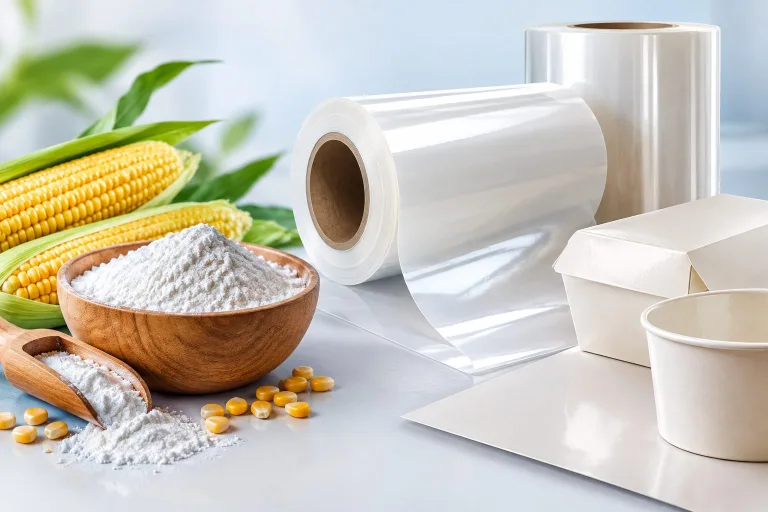
Cationic Starch Built for Retention and Sheet Strength
Where delamination is the bigger concern, cationic starch addresses a different part of the problem. SPAC CATA, SPAC’s cationic starch, is derived from high-quality tapioca or maize starch and is specifically developed to improve the retention of fines and fillers while increasing paper sheet strength. It’s used during paper and board manufacturing to strengthen internal sheet properties and improve how well fillers and fines are retained, both of which affect how securely a coating layer bonds to the base sheet.
Because it’s positioned as a wet-end starch, cationic starch is generally the starting point when the issue looks more like a bonding/retention problem than a surface-film problem.
CMS: An Alternative When Native or Oxidized Starch Struggles
For mills already running into the high-viscosity or low-solubility limitations of native or oxidized starch, SPAC’s carboxymethyl starch (CMS) is worth considering as a substitute for surface sizing. CMS dissolves easily in water and forms low-viscosity solutions even at high concentrations, which lets it run through modern high-speed size presses without clogging — supporting smoother, more consistent coating across the sheet.
Once dried, CMS forms flexible, strong, continuous films that act as a protective layer, reducing ink penetration and improving gloss, a meaningful advantage for printing paper grades where surface uniformity matters. The carboxyl groups introduced during CMS synthesis also improve its bonding capacity, which is directly relevant if delamination is tied to weak film adhesion.
Rounding Out the Range: Spray Starch and Yellow Dextrin
SPAC also manufactures spray starch, derived from high-quality maize or tapioca starch, and yellow dextrin, known for its low viscosity, high stickiness, and hygroscopic properties, both used across paper applications where those specific handling characteristics are needed.
Why Mills Choose SPAC for Paper-Grade Starch
SPAC has been manufacturing tapioca, maize, and modified starches since 1996, following GMP standards and holding ISO, Halal, and FSSAI certifications. Products are supplied through a well-established dealer network across India and exported to around 20 countries, with the flexibility to supply in 50 kg bags or jumbo bags depending on requirement. For mills troubleshooting recurring coating issues, working with a manufacturer that offers the full range of oxidized, cationic, CMS, spray starch, and yellow dextrin under one roof makes it easier to test and switch grades without changing suppliers.
Frequently Asked Questions
What causes paper coating to crack or delaminate?
Cracking and delamination generally point back to the starch binder: either the starch type isn’t suited to the coating application, or its performance isn’t consistent from batch to batch, weakening the film or the bond to the base sheet.
What's the difference between oxidized and cationic starch for paper?
Oxidized starch is built for strong, smooth, flexible coating films with high whiteness and purity, making it suited to surface sizing and coating. Cationic starch (like SPAC CATA) is a wet-end starch designed to improve retention of fines and fillers and increase overall sheet strength.
When should a mill consider CMS instead of native or oxidized starch?
CMS is a strong option when native or oxidized starch is running into high viscosity, low water solubility, or poor film integrity since CMS dissolves easily even at high concentration and forms strong, flexible films that reduce ink penetration and improve gloss.
Still troubleshooting cracking or delamination on your line? Explore SPAC’s full range of starch products, including oxidized, cationic, spray starch, and yellow dextrin to find the right grade for your process.