

Why Tapioca Starch Is Widely Used Across Industries?
Introduction
Tapioca starch has emerged as one of the most versatile natural starches used across multiple industries worldwide. Extracted from the cassava root, it is valued for its purity, neutral taste, binding strength, and adaptability. From food processing to textiles, paper manufacturing to pharmaceuticals, tapioca starch plays a crucial role in improving product quality and performance.
Its widespread adoption is not accidental. Tapioca starch offers a unique combination of functional properties, cost efficiency, and sustainability that few alternatives can match. This article explores why tapioca starch has become an indispensable industrial ingredient and how its applications continue to expand.
Natural Origin and High Purity
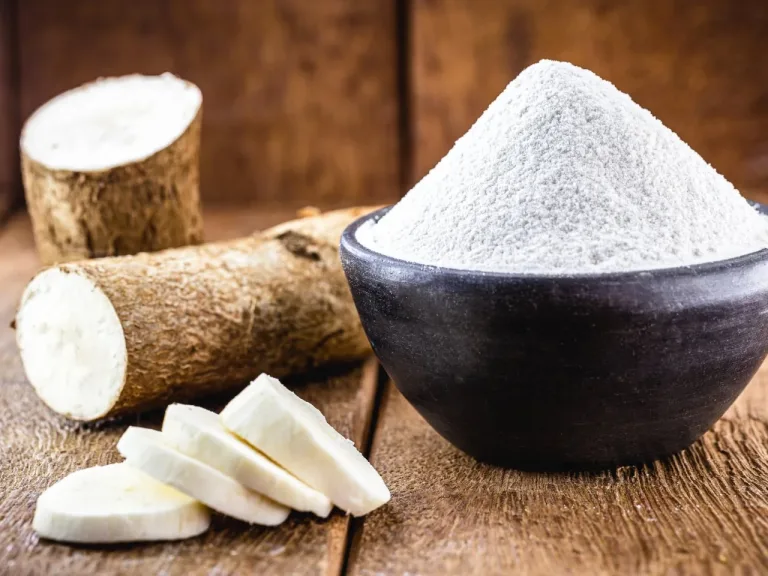
Tapioca starch has emerged as one of the most versatile natural starches used across multiple industries worldwide. Extracted from the cassava root, it is valued for its purity, neutral taste, binding strength, and adaptability. From food processing to textiles, paper manufacturing to pharmaceuticals, tapioca starch plays a crucial role in improving product quality and performance.
Its widespread adoption is not accidental. Tapioca starch offers a unique combination of functional properties, cost efficiency, and sustainability that few alternatives can match. This article explores why tapioca starch has become an indispensable industrial ingredient and how its applications continue to expand.
Natural Origin and High Purity
One of the primary reasons for the popularity of tapioca starch is its natural origin. Derived from cassava, it is free from gluten and common allergens, making it suitable for sensitive applications.
Key advantages of its natural purity include:
- Minimal protein and fat content
- Clean processing characteristics
- Neutral flavor and odor
- Compatibility with diverse formulations
These qualities make it ideal for industries that demand consistent and contaminant-free raw materials.
Excellent Binding and Thickening Properties
Tapioca starch is widely used as a binder and thickener due to its high viscosity and stability.
Functional benefits include:
- Strong gel formation
- Smooth texture development
- High clarity in liquid systems
- Stability under varieds
These properties allow it to perform effectively in products requiring structure, cohesion, and consistency.
Wide Application in Food Processing
The food industry is one of the largest consumers of tapioca starch. Its ability to improve texture without altering taste makes it extremely valuable.
Common food applications include:
- Sauces and gravies
- Bakery and confectionery products
- Instant mixes
- Dairy and dessert formulations
Tapioca starch also performs well under freezing and reheating conditions, enhancing shelf life and consumer appeal.
Role in Improving Texture and Mouthfeel
Texture plays a critical role in consumer acceptance, and tapioca starch excels in delivering smooth, elastic, and glossy textures.
Its advantages include:
- Creamy mouthfeel
- Non-grainy consistency
- Improved product appearance
- Stable viscosity over time
These qualities are particularly important in premium food and beverage products
Strong Demand in the Textile Industry
In textiles, tapioca starch is extensively used for sizing yarns and finishing fabrics.
Its textile benefits include:
- Enhanced yarn strength
- Reduced breakage during weaving
- Smooth fabric surface
- Easy removal during desizing
Because it is biodegradable and water-soluble, it also supports environmentally responsible textile production.
Importance in Paper and Packaging Manufacturing
The paper industry relies heavily on tapioca starch for improving paper strength and surface quality.
Key uses include:
- Surface sizing
- Coating formulations
- Improved printability
- Enhanced paper stiffness
Its consistent performance helps manufacturers produce high-quality paper with reduced material waste.
- Surface sizing
Use in Adhesives and Industrial Binders
Tapioca starch serves as a cost-effective base material for adhesives used in packaging and labeling.
Advantages include:
- Strong bonding capability
- Fast drying time
- Compatibility with additives
- Eco-friendly formulation
Its renewable nature makes it a preferred alternative to synthetic binders.
Growing Role in Pharmaceutical Applications
In pharmaceuticals, tapioca starch is valued for its safety and functionality.
It is commonly used as:
- Tablet binder
- Disintegrant
- Filler material
Its non-toxic and inert nature ensures compatibility with medicinal formulations and regulatory requirements.
Application in Biodegradable and Sustainable Products
As industries move toward sustainability, tapioca starch has gained importance in biodegradable materials.
It supports:
- Compostable packaging
- Biopolymer development
- Eco-friendly disposable products
This aligns with global efforts to reduce plastic dependency and environmental impact.
Cost Efficiency and Supply Stability
Compared to many alternative starches, tapioca starch offers a favorable balance of cost and performance.
Reasons for cost efficiency include:
- High starch yield from cassava
- Efficient processing methods
- Consistent availability
This makes it suitable for large-scale industrial usage without compromising quality.
Adaptability Across Processing Conditions
Tapioca starch performs reliably under varying temperatures, pH levels, and processing techniques.
Its adaptability allows:
- Easy modification
- Blending with other ingredients
- Customization for specific applications
This flexibility supports innovation across multiple industries.
Why Industries Prefer Tapioca Starch Manufacturers in India
Industries increasingly prefer sourcing from tapioca starch manufacturers in India due to consistent quality, technical expertise, and large-scale production capabilities.
Indian manufacturers offer:
- High-purity processing standards
- Stable supply chains
- Competitive pricing
- Application-specific product grades
This makes India a key global supplier of tapioca starch.
How Tapioca Starch Manufacturers in India Support Industrial Growth
Leading tapioca starch manufacturers in India invest in advanced processing technologies and quality control systems to meet diverse industry needs.
Their contributions include:
- Customized starch formulations
- Compliance with global standards
- Sustainable manufacturing practices
- Reliable bulk supply
Such capabilities support both domestic and international industries.
SPAC and Its Role in Tapioca Starch Applications
SPAC plays an important role in delivering high-quality tapioca starch solutions designed for multi-industry applications.
The brand focuses on:
- Consistent product quality
- Advanced processing methods
- Industry-specific starch grades
- Long-term customer partnerships
SPAC’s commitment ensures reliable performance across food, textile, paper, and industrial sectors.