

Sustainable Sourcing: Why Tapioca Starch is the Future of Eco-Friendly Packaging
Introduction
The global packaging industry is going through a major shift. Brands and manufacturers are actively moving away from petroleum-based plastics and searching for sustainable, plant-based alternatives that deliver both performance and environmental responsibility. One material that is quietly leading this revolution is tapioca starch. Derived from the cassava root, this versatile natural ingredient is becoming a preferred raw material in the eco-friendly packaging space, and for very good reason.
What Makes Tapioca Starch a Packaging Game-Changer?
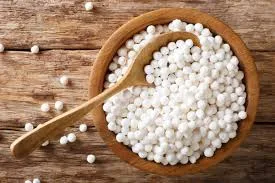
Tapioca starch is extracted from the cassava plant, which grows abundantly in tropical regions. Unlike synthetic materials, tapioca starch is 100% biodegradable, non-toxic, and renewable. When processed correctly, it can be transformed into films, foams, trays, and coatings that serve as excellent alternatives to conventional plastic packaging.
Key properties that make it packaging-ready:
- Strong binding and film-forming ability
- Excellent moisture resistance when modified
- Thermoplastic behavior under heat and pressure
- Naturally compostable and leaves zero harmful residue
- Compatible with other bio-based polymers like PLA
The Environmental Case for Tapioca-Based Packaging
Plastic pollution is one of the most urgent environmental crises of our time. Millions of tons of single-use plastic end up in oceans, landfills, and ecosystems every year. Tapioca starch packaging addresses this directly by offering a material that breaks down naturally without releasing microplastics or toxic compounds.
Beyond biodegradability, cassava farming has a relatively low carbon footprint. The plant requires minimal chemical inputs, grows in poor soil conditions, and sequesters carbon during its growth cycle. This means tapioca starch packaging supports sustainability from the farm level all the way to disposal. For brands looking to reduce their Scope 3 emissions and improve their environmental credentials, switching to tapioca-based packaging is a meaningful and measurable step forward.
Industries Adopting Tapioca Starch Packaging
Multiple sectors are recognizing the value of this bio-based material. The shift is happening across industries where sustainable packaging is becoming a regulatory requirement and a consumer expectation.
- Food and Beverage: Tapioca starch is used in edible coatings, food wraps, and biodegradable food trays that keep products fresh without environmental harm.
- E-commerce and Retail: Cushioning foams and protective layers made from starch-based composites are replacing traditional polystyrene.
- Pharmaceuticals: Starch-based blister packs and coatings offer clean, non-reactive packaging for sensitive medical products.
- Agricultural Sector: Mulch films made from tapioca starch composites break down naturally in soil after use.
- Personal Care: Shampoo bars, soap packaging, and cosmetic films are increasingly using tapioca starch as a base material.
Why Source Tapioca Starch from India?
SPAC Groups: Trusted Quality Among Tapioca Starch Exporters in India
- Strict quality control at every stage of production and processing
- Adherence to international export standards including FSSAI and ISO certifications
- Flexible supply options catering to both bulk industrial buyers and smaller packaging units
- Consistent moisture levels and purity grades tailored to packaging-specific applications
- Transparent sourcing from verified cassava farms in South India
How SPAC Groups Supports the Global Shift Toward Sustainable Packaging
SPAC Groups understands that the future of packaging lies in materials that respect the planet without compromising on functionality. As one of the most reliable tapioca starch exporters in India, the company actively works with packaging innovators, R&D teams, and global distributors to ensure the starch they supply is optimized for end-use applications.
Whether you are developing biodegradable films, starch-based foam alternatives, or compostable food trays, SPAC Groups provides the technical consistency and supply reliability that modern businesses demand. Their export infrastructure ensures timely delivery to international markets, backed by proper documentation and compliance support.
Conclusion
The packaging industry is at a turning point. Consumer demand, government regulations, and environmental responsibility are all pushing brands to rethink how they package their products. Tapioca starch offers a compelling, proven, and scalable answer to this challenge.
Partnering with trusted tapioca starch exporters in India like SPAC Groups gives your business access to premium-grade starch that is ethically sourced, export-ready, and aligned with global sustainability goals. If you are looking to make your packaging greener without compromising on quality, SPAC Groups is the partner you need to make that transition with confidence.