

Yellow Dextrin vs. White Dextrin: Choosing the Right Adhesive for Your Industry
Introduction
The world of industrial manufacturing relies heavily on hidden components that ensure structural integrity and product quality. Among these essential components, starch based adhesives stand out for their versatility and eco friendly nature. While native starch from maize or tapioca is widely used, many industrial processes require a more specialized material known as dextrin. Dextrin is a group of low molecular weight carbohydrates produced by the hydrolysis of starch. This transformation is achieved through a process called roasting or dry conversion, where starch is heated in the presence of catalysts. Depending on the intensity of this process, the result is either White Dextrin or Yellow Dextrin.
Understanding the distinction between these two modified starches is vital for manufacturers in the paper, textile, and adhesive sectors. Each variant offers unique properties in terms of solubility, viscosity, and bonding strength. Choosing the wrong type can lead to production delays or compromised product quality, whereas the right choice optimizes efficiency and reduces costs.
The Characteristics of White Dextrin
White Dextrin is produced through a relatively mild roasting process at lower temperatures. Because the conversion is less intense, the starch retains its light color, appearing as a bright white or off white powder. This type of dextrin is often used when the final appearance of the product is critical and any discoloration must be avoided.
- Solubility Properties: White Dextrin typically has limited solubility in cold water. To fully activate its adhesive properties, it usually requires cooking or heating in water to form a stable paste.
- Viscosity Profile: It produces a thick and creamy paste even at low concentrations. This high viscosity is beneficial for applications that require a substantial coating or body.
- Film Formation: It forms a clear and flexible film upon drying, which is essential for certain labeling and packaging requirements.
- Primary Uses: It is commonly found in the manufacture of envelopes, paper bags, and as a binder in the pharmaceutical and food industries.
The Power of Yellow Dextrin
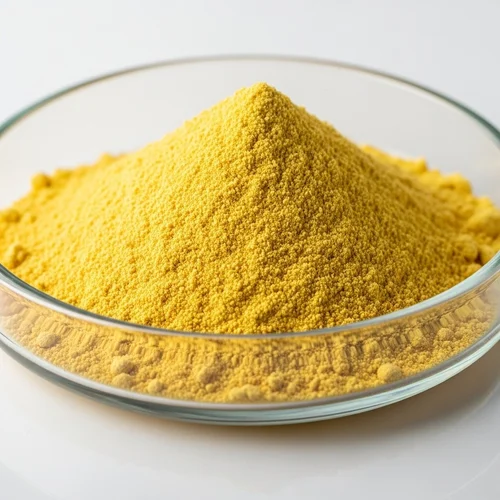
Yellow Dextrin, which is sometimes referred to as Canary Dextrin, undergoes a much more rigorous roasting process at higher temperatures for a longer duration. This intense heat causes significant chemical changes, resulting in its characteristic yellow to brownish hue. The high degree of modification gives it properties that are drastically different from the white variety.
- Excellent Solubility: One of the most significant advantages of Yellow Dextrin is its high solubility in cold water. It can form high solids solutions that remain fluid and easy to handle.
- Instant Tackiness: It is known for providing “instant tack,” which is the immediate grip required in high speed manufacturing environments.
- Fast Drying: Because Yellow Dextrin can be used at higher concentrations with less water, the drying time is significantly reduced. This improves the dimensional stability of paper products.
- Primary Uses: It is the preferred choice for heavy duty applications such as spiral wound paper tubes, corrugated board manufacturing, and abrasive paper production.
Technical Comparison: White vs. Yellow Dextrin
To help you make an informed decision for your production line, the following table summarizes the key physical and chemical differences between these two modified starches.
Feature | White Dextrin | Yellow Dextrin |
Color Appearance | Pure White to Off White | Yellow to Tan Brown |
Roasting Temperature | Lower Temperatures | Higher Temperatures |
Cold Water Solubility | Low to Moderate (Requires Cooking) | Very High (Cold Water Soluble) |
Paste Consistency | Thick and High Viscosity | Fluid even at High Solids |
Bonding Speed | Moderate Tack | Aggressive Instant Tack |
Film Type | Flexible and Clear | Brittle and Strong |
Storage Stability | Good Viscosity Stability | Excellent Stability at High Concentrations |
Industrial Applications and Selection Criteria
The choice between these two adhesives often depends on the specific machinery used and the final product’s requirements. If your production line operates at extreme speeds, the solubility and tack of the yellow variant are indispensable. However, for specialty paper products where aesthetics and film flexibility are paramount, the white variant is superior.
Applications in the Paper Industry:
- Spiral Winding: Yellow Dextrin is used to bond multiple layers of paper for cores and tubes.
- Edge Protectors: High strength bonding for structural packaging.
- Surface Sizing: Improving the printability and strength of paper sheets.
Applications in the Textile and Adhesive Industry:
- Yarn Sizing: Protecting fibers during high speed weaving processes.
- Envelope Sealing: Providing a clean and reliable seal for stationery.
- Abrasive Papers: Acting as a strong binder for sandpaper grains.
Strategic Selection of yellow dextrin starch manufacturers
When an industry reaches a point of high volume production, the reliability of the supply chain becomes as important as the chemical composition of the adhesive. Selecting experienced yellow dextrin starch manufacturers ensures that the raw materials are consistent across every batch. Consistency is the key to avoiding machine downtime and ensuring that the final bond strength meets safety and durability standards. Professional yellow dextrin starch manufacturers invest in advanced technology to control the roasting process precisely, resulting in a product that dissolves perfectly every time.
In a competitive global market, the technical support provided by yellow dextrin starch manufacturers can help a business transition to more efficient formulas. These manufacturers often have the expertise to customize the degree of dextrinization to match specific industrial needs, whether it is for paper tube winding or textile sizing. By partnering with established yellow dextrin starch manufacturers, companies can ensure they are using materials that are at par with international standards.
The Global Reliability of SPAC Groups as yellow dextrin starch manufacturers
Quality and Sustainability by SPAC Groups and yellow dextrin starch manufacturers
Conclusion
In conclusion, the decision between Yellow Dextrin and White Dextrin is a strategic choice that impacts the efficiency, quality, and cost of your manufacturing process. While White Dextrin offers the purity and thickness required for delicate paper and textile applications, Yellow Dextrin provides the aggressive tack and high solubility essential for high speed industrial bonding. Navigating these choices is made easier when partnering with world class yellow dextrin starch manufacturers like SPAC Groups. With over 22 years of expertise and a commitment to international quality standards, SPAC Groups remains the preferred partner for businesses seeking innovative starch solutions. By choosing SPAC Groups as your primary yellow dextrin starch manufacturers, you are choosing a path of sustainable growth, unmatched quality, and global industrial excellence.